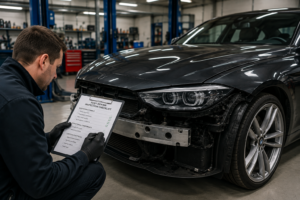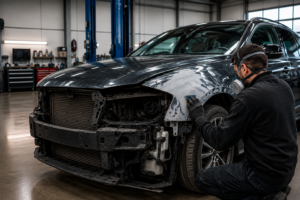
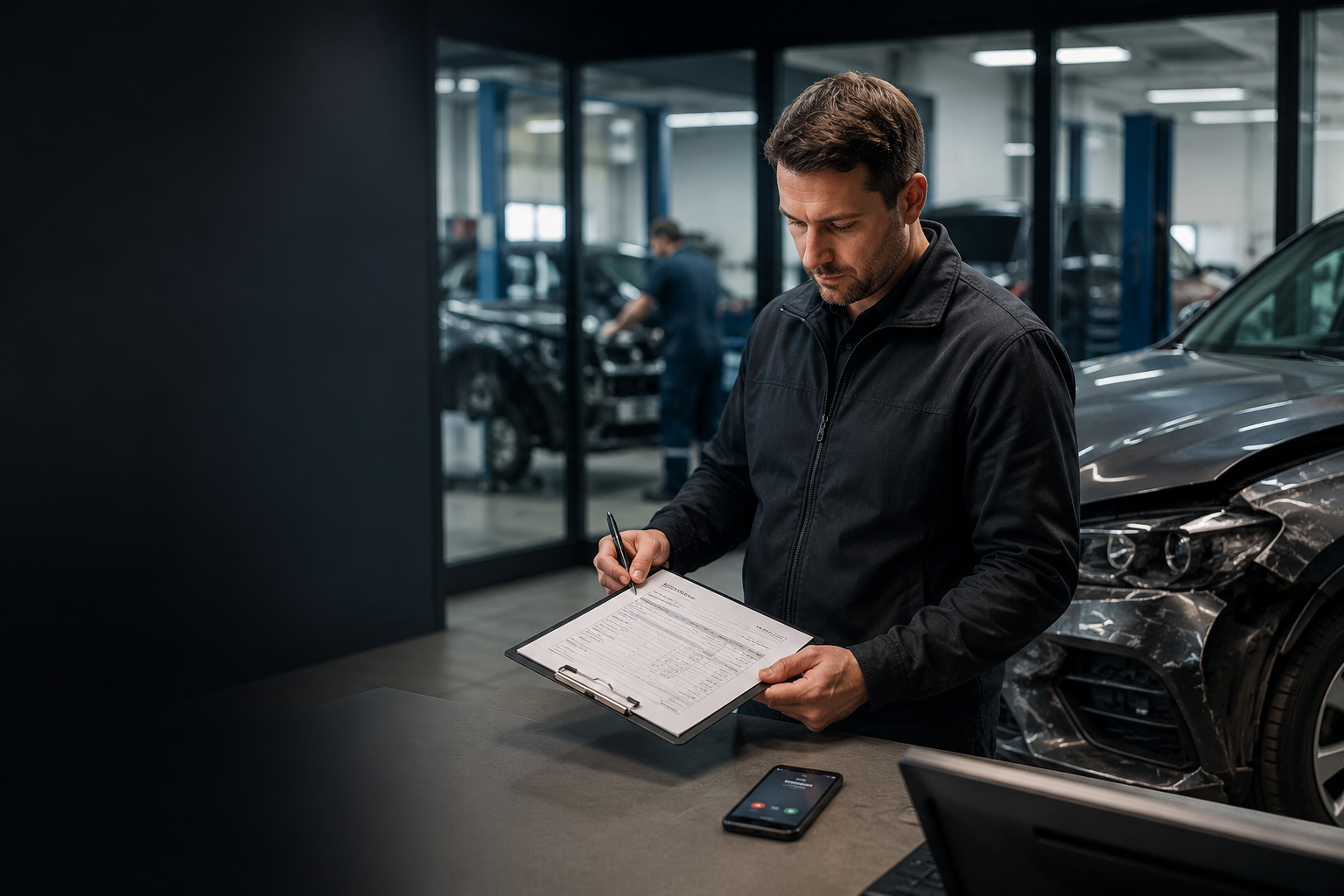
After an accident, most drivers assume the insurer just picks up the phone, sorts a garage, and gets on with it. Sometimes that’s exactly how it goes. Other times, you’re told to get two or three repair quotes before anything can be approved, which understandably feels like an extra hurdle nobody warned you about. Whether you actually need to do this depends heavily on how you’re getting your car fixed, and it’s worth understanding before you start ringing round bodyshops.
Why This Question Comes Up in the First Place
Insurers exist to pay out what’s reasonable, not necessarily what’s asked for. When a repair estimate lands on their desk, they want some assurance the figure reflects a fair market rate rather than an inflated one. Multiple quotes are one way of demonstrating that, particularly when the claim involves an independent garage the insurer has no existing relationship with.
That said, the requirement isn’t universal, and a lot of confusion comes from insurers applying different rules depending on which route you take to get your car repaired.
If You’re Using Your Insurer’s Approved Repairer
In this scenario, you almost never need to source additional quotes yourself. The insurer already has a commercial agreement with that repairer, covering labour rates, parts pricing, and repair standards. The estimate goes straight from the approved garage to the insurer’s claims team, and because the rates were pre-negotiated, there’s no need for comparison shopping. This is one of the genuine conveniences of the approved network, and it’s often the main reason insurers push it so hard.
If You Choose Your Own Independent Garage
This is where the “multiple quotes” requirement tends to surface. According to GoCompare’s guide to approved repairers, insurers may ask you to get a certain number of quotes to satisfy themselves that the cost is reasonable before authorising work outside their network. It’s not a legal obligation on your part, more a condition some insurers attach to using an unapproved garage, and it’s worth checking your policy wording rather than assuming it applies universally.
Citizens Advice confirms that insurers may ask you to use an approved repairer or provide estimates before repairs go ahead, which reinforces that this is standard practice rather than something specific to any one provider. The key point is that you should never authorise repairs to begin before your insurer has confirmed cover, whether you’re getting one quote or several, because starting work without approval can put the whole claim at risk.
What Counts as a Reasonable Number of Quotes
There’s no fixed legal figure, but two to three quotes is the range insurers most commonly ask for when you’re going the independent route. This gives them enough of a spread to judge whether the pricing sits within a normal market range without turning the process into an administrative marathon for you. If your insurer asks for more than that, it’s reasonable to query why, particularly if you’re already facing delays getting your car back on the road.
It’s also worth noting that if your chosen garage’s quote comes in higher than what the insurer’s approved network would have charged for the same job, you may be asked to cover the difference yourself. This isn’t a penalty for going independent so much as a reflection of the fact that insurers only committed to paying what the repair would reasonably cost through their own arrangements.
What Happens When the Quotes Don’t Match
Discrepancies between quotes are common, and they don’t automatically mean anyone’s trying to overcharge you. Labour rates, parts sourcing, and even how thoroughly a garage inspects hidden damage before quoting can all create legitimate variation. If your insurer flags a mismatch, the usual next step is for their claims assessor or an independent engineer to review the vehicle directly rather than simply taking the lowest number and running with it.
If you feel a quote is being unfairly dismissed, or your insurer is dragging its heels on a decision, you’re entitled to raise a formal complaint, and if that doesn’t resolve things, escalate to the Financial Ombudsman Service, which handles disputes between policyholders and insurers free of charge.
Does the Quality of the Quote Matter as Much as the Price?
It’s tempting to treat this purely as a pricing exercise, but the standard of the repair matters just as much, arguably more, than shaving a few pounds off the estimate. A properly detailed quote should specify whether structural work is involved, what parts standard is being used (genuine versus aftermarket), and whether the repairer holds recognised accreditation such as BSI BS 10125, sometimes referred to as the Kitemark for vehicle damage repair. Insurers generally view accredited quotes more favourably precisely because they reduce the risk of comeback repairs later.
If you’re comparing quotes yourself before submitting them, it’s worth asking each garage the same set of questions, so you’re comparing like for like rather than three completely different scopes of work dressed up as competing prices.
How to Handle the Conversation With Your Insurer
When you first report the claim, be upfront that you intend to use your own repairer rather than the approved network. This is the point to ask directly whether multiple quotes will be required, what the process is for submitting them, and whether the insurer pays the garage directly or reimburses you after the fact. Getting these details confirmed in writing, even a simple email summary, avoids ambiguity later if there’s a dispute about what was agreed.
It’s also sensible to ask whether you’ll need to arrange your own recovery or transport to get the vehicle to your chosen garage, since this responsibility often shifts to you once you step outside the approved network, and it’s an easy detail to overlook in the middle of dealing with an accident.
Weighing Convenience Against Control
Multiple quotes add a bit of legwork, there’s no getting around that. But the trade-off is real control over who fixes your car, what parts go on it, and what standard the work is finished to. For some drivers, the approved repairer route with a single quote and minimal admin is worth the convenience. For others, particularly if the vehicle is newer, under finance, or simply something they care about keeping in top condition, the extra step of gathering a couple of comparison quotes is a small price for genuine oversight of the repair.
Either way, knowing in advance whether your insurer expects one quote or several means you can plan around it rather than being caught off guard mid-claim, which is exactly the kind of unnecessary stress nobody needs after an accident.
Conclusion
Whether you need multiple repair quotes really comes down to which route you take. Stick with your insurer’s approved network and the pre-negotiated rates mean one quote is all that’s needed. Choose your own garage, and you may be asked for two or three comparison estimates so the insurer can satisfy itself the cost is fair. Neither route is automatically right or wrong, it’s a question of how much you value convenience against direct control over the repair. What matters most is confirming the process with your insurer before any work starts, so you’re not left covering costs you didn’t expect or waiting on approvals that could have been sorted with one upfront conversation.
Frequently Asked Questions
Do I legally have to provide more than one repair quote? No, there’s no legal requirement to obtain multiple quotes. It’s a condition some insurers apply when you choose a repairer outside their approved network, not a rule set in law.
Will my insurer pay for the cost of getting quotes? Most insurers don’t reimburse the cost of obtaining estimates, since garages typically provide these free of charge as standard practice before winning the work.
What if two quotes come back with a big price difference? This is common and doesn’t necessarily indicate an issue. Differences often reflect labour rates, parts choice, or how thoroughly hidden damage was assessed. Your insurer may send an engineer to review the vehicle before making a decision.
Can I still use my own garage if my insurer only accepted one quote? Yes, but always get confirmation in writing before repairs begin. Starting work without your insurer’s sign-off, regardless of how many quotes you’ve submitted, can put your claim at risk.
Does choosing an independent repairer affect my courtesy car entitlement? It can. Some insurers link courtesy car provision to using their approved network, so it’s worth checking this alongside any quote requirements when you report the claim.