
If you have had accident damage repaired and are now thinking about selling, the question of what to tell a buyer is a fair one to ask before you advertise. The honest answer is that it is a good deal less murky than many sellers fear, and far less risky when you have the paperwork to back it up.
Whether you must disclose a repaired accident when selling a car privately depends on what you say and what you are asked. A private seller generally cannot mislead a buyer about a car’s history, and false answers can lead to a dispute. Volunteering a documented, professional repair is the safest approach. This is general information, not legal advice.
That snippet is the short version. The rest of this guide explains why “buyer beware” is not the shield many people think it is, what honest disclosure looks like in practice, and how a properly recorded repair can work in your favour at the point of sale.
Please note: this article is general information from an accident repair bodyshop, not legal advice. Legal positions can turn on specific facts. If you are unsure of your obligations, take advice from a qualified solicitor or a body such as Citizens Advice.
Do you have to disclose a repaired accident when selling a car privately?
There is no single sentence in everyday motoring that says “you must announce every accident”. The position is more nuanced, and it hinges on the difference between staying quiet and saying something that is not true.
Private car sales in England and Wales have traditionally been described by the Latin phrase caveat emptor, meaning “let the buyer beware”. In plain terms, the buyer is expected to inspect the car and ask sensible questions before paying.
That principle has limits. A seller who gives a false answer, or paints a misleading picture of a car’s history, can find themselves facing a complaint or claim, even in a private sale. The general legal idea at work here is misrepresentation.
The practical takeaway is simple. If a buyer asks whether the car has been in an accident, answer truthfully. If you know about a repair, say so. If you are not sure, say you are not sure rather than guessing.
What counts as “accident damage” in a buyer’s mind?
Buyers do not all use the same yardstick. A scuffed bumper repaired after a car park knock sits at one end. A repair involving structural panels, airbag deployment or suspension geometry sits at the other. Most buyers care far more about the second group, because it raises questions about safety and long-term reliability.
Describing the damage accurately, rather than minimising it, is what keeps a conversation honest. “Rear bumper and quarter panel repaired by a BSI-approved bodyshop in [month, year], full invoice available” is a very different statement from “just a little scrape”.
Why does “buyer beware” not protect a seller who stays vague?
Many sellers assume that if a buyer does not ask, they need not say. That is a risky assumption to lean on, and not only for legal reasons.
First, a car’s history is rarely a secret for long. Vehicle history checks, a prospective buyer’s own inspection, or an independent assessment can all reveal signs of previous repair. If a buyer finds evidence you did not mention, trust collapses quickly and a straightforward sale can turn into an argument.
Second, a paint-thickness reading, a slight panel gap or a different shade under the light can tell an experienced buyer a repair has taken place. They will then ask the question anyway, and an evasive answer is usually worse than a documented one.
Third, vague or misleading descriptions are what turn a sale into a dispute. A buyer who feels misled may seek to reverse the sale or recover money. Whether they would succeed depends on the facts and the law, which is exactly why this article cannot give you a definitive answer on your particular situation.
How is a private sale different from buying from a dealer?
Dealers are traders, and consumer protection rules generally apply more directly to sales by traders than to sales between private individuals. The Consumer Rights Act is the legislation people most often mention in this context.
That does not mean private sellers are free to say anything. It means the legal framework differs, and the sensible assumption is that honesty is expected either way. Describing a car “as seen” or “sold as seen” does not generally give a seller licence to misdescribe it.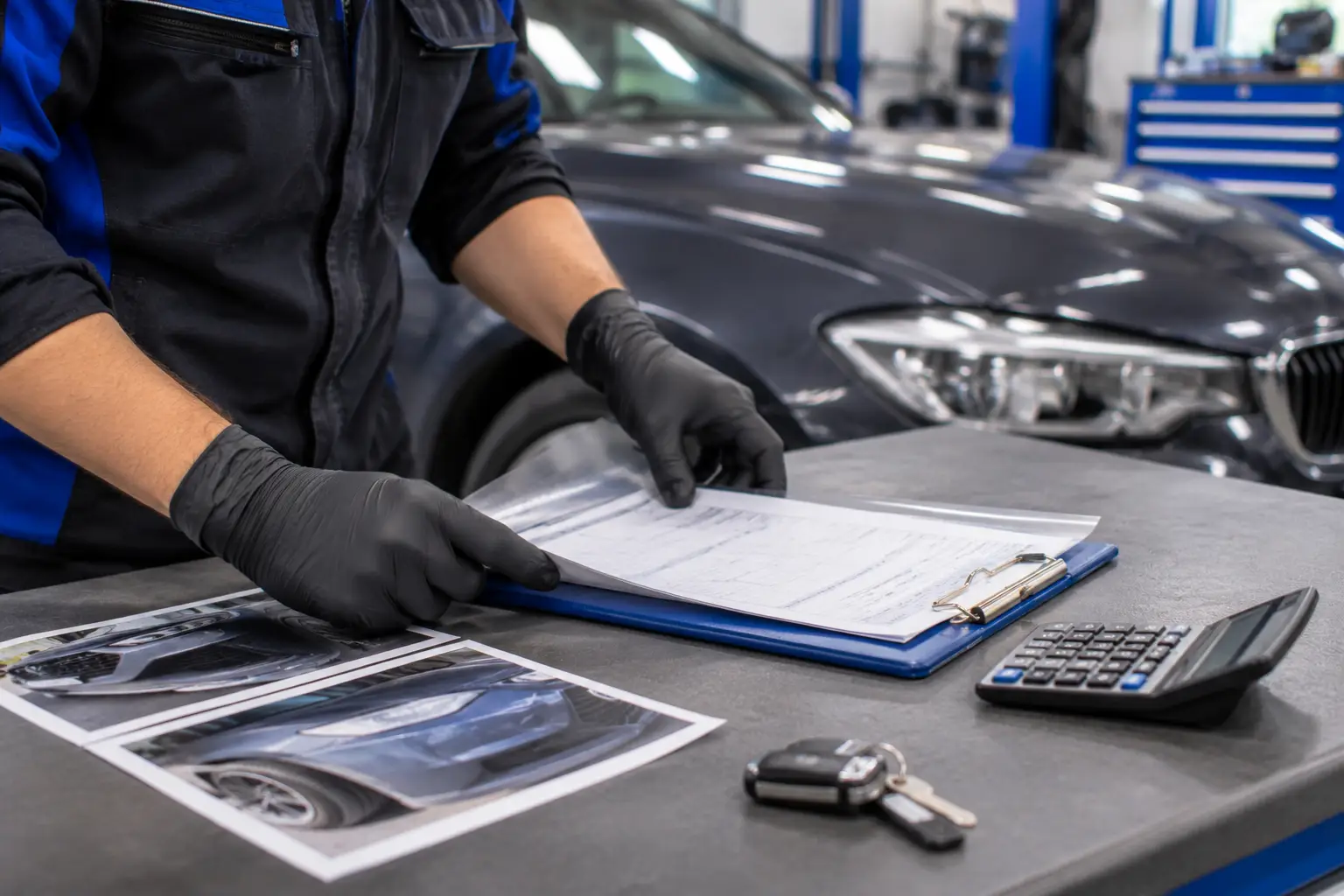
What is the safest way to disclose a repaired accident?
The safest approach is the most boring one: say it early, say it plainly and have the paperwork ready.
Put it in the advert
Mentioning a professional repair in your listing filters out the buyers who would walk away anyway and builds trust with those who will not. It also saves you time. Nothing wastes a viewing like a buyer discovering the repair halfway through and feeling ambushed.
A good advert line is factual and brief. State what was repaired, roughly when, who carried out the work, and that documents are available. Avoid adjectives such as “minor” unless the invoice genuinely supports them.
Answer questions the same way every time
Consistency matters. If you tell one buyer the repair was cosmetic and another that it involved structural work, your account will not survive a comparison with the invoice. Work from the paperwork, not from memory.
Put it in writing
A short written note of what you have told the buyer, alongside the invoice, helps both sides. It avoids later disagreement about who said what. If you would like a form of words for a sales receipt, ask a solicitor or a trusted legal source rather than copying a template from the internet.
What paperwork proves a repair was done properly?
A repaired car is only as convincing as its records. Anyone can say the work was done well. A buyer wants to see it.
Useful documents typically include:
- An itemised invoice that shows the panels and parts involved, not just a total.
- Before-and-after photographs that show the extent of the damage and the finished result.
- Structural measurement records, where the damage affected the body structure.
- ADAS calibration confirmation, where cameras or radar sensors were disturbed.
- Details of the repairer’s accreditation, so a buyer can see who carried out the work.
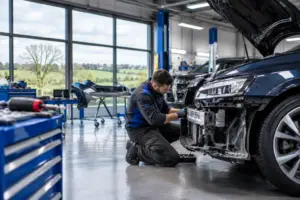
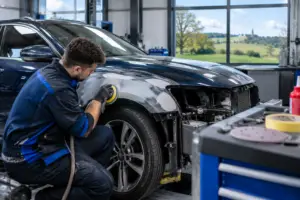
This is where the choice of bodyshop pays off long after the repair is finished. A BSI-approved bodyshop works to an independently audited standard, which includes keeping records of how repairs were carried out.
For a prestige or higher-value car, a buyer will often be more demanding, not less. A full, tidy repair file is part of how you present the car at its best.
Why does a manufacturer-method repair matter to a buyer?
Modern vehicles combine high-strength steels, aluminium and composites, and repairing them correctly means following the manufacturer’s published methods. A buyer’s inspector may ask how a structural repair was carried out and whether the correct procedures were followed.
If your repairer worked to the manufacturer’s methods and can show it, that is a strong answer. If the work was done cheaply or informally, with no record, you will struggle to give any answer at all.
Does a repaired accident always put buyers off?
Not always, and it is worth keeping perspective. Buyers are generally less bothered by the fact of a repair than by uncertainty about it. A clearly documented repair carried out by an accredited bodyshop answers most of the concerns before they are raised.
By contrast, an undocumented repair raises exactly the questions that make a buyer nervous: who did it, to what standard, and what else might be hidden?
If you are weighing up whether the car is still worth selling or whether to keep it, an honest assessment of the repair quality is the starting point. Our Macclesfield team can talk through what a documented repair looks like for your vehicle.
What if you bought the car already repaired?
Many private sellers are not the person who had the work done. If you bought the car second-hand and are unsure of its history, say exactly that. Describe what you know, hand over whatever documents you received and avoid filling gaps with assumptions. An honest “I don’t know, but here is what I was given” is much easier to defend than a confident guess that proves wrong.
What should you do before you list the car?
A short checklist helps, and it takes less time than most sellers expect.
1. Gather the repair paperwork in one folder, including invoices, photographs and any accreditation details.
2. Write down a factual summary of what was repaired and when, using the invoice rather than memory.
3. Decide what you will say in the advert and stick to it in every conversation.
4. Consider a vehicle history check yourself so that you know what a buyer will see.
5. Take advice if in doubt, particularly if the car was ever declared a total loss by an insurer.
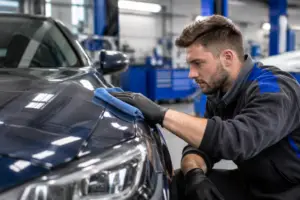
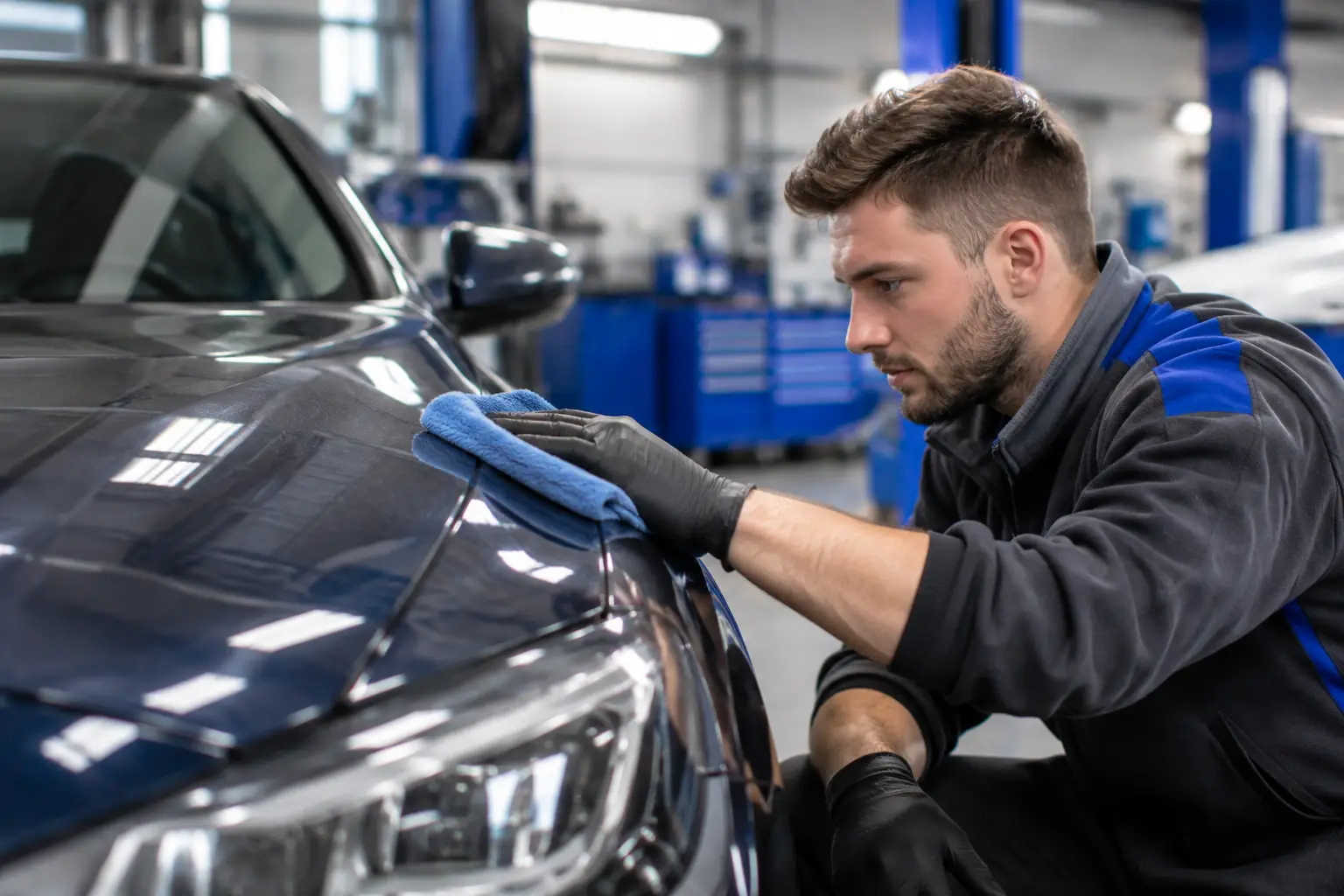
Presenting the car after repair also matters. A final inspection and polish before handover is part of how a good bodyshop returns a car, and it shows in photographs and in person.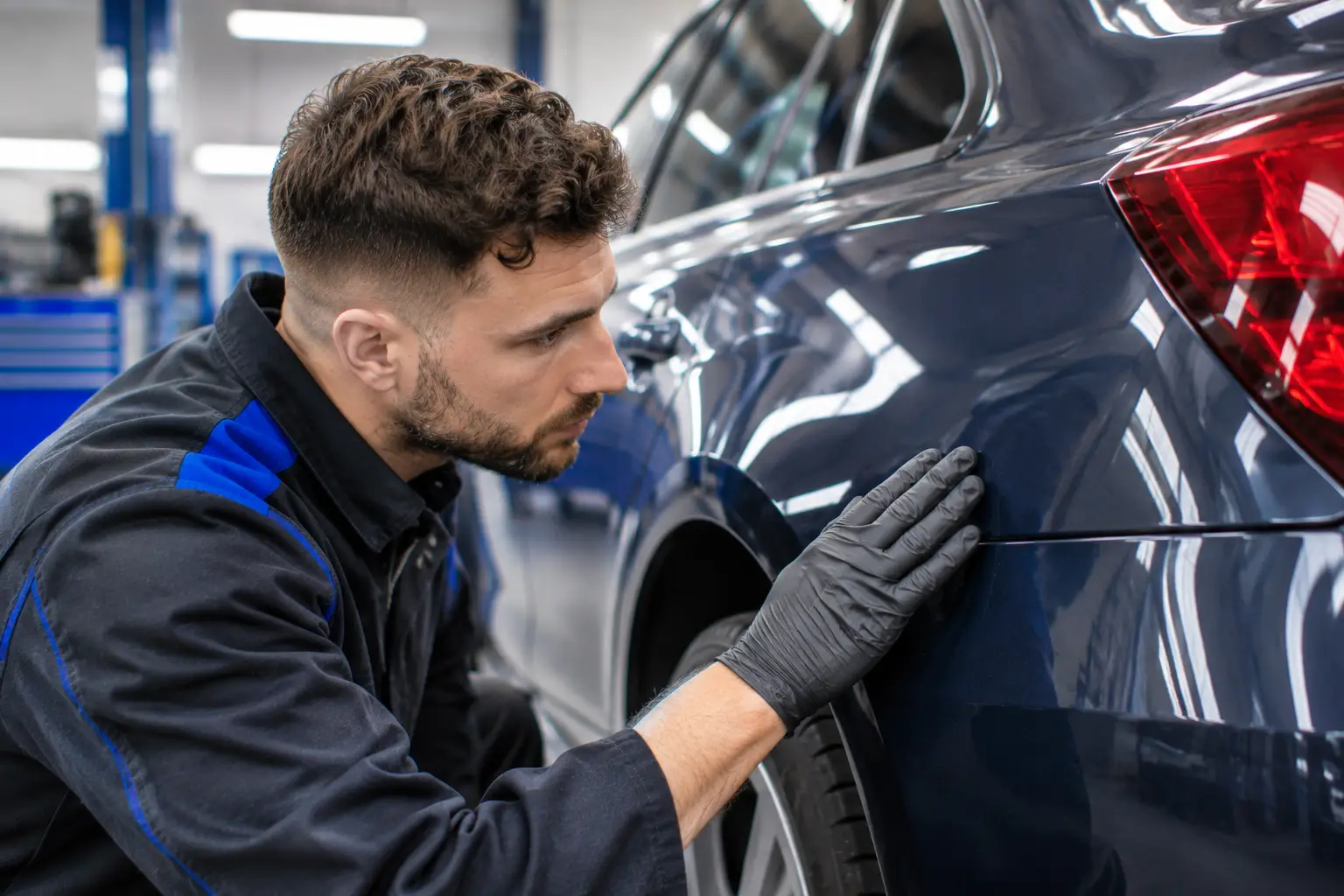
FAQ
Do you have to tell a buyer your car has been in an accident?
There is no simple yes or no, and this is general information, not legal advice. A private seller generally cannot give false or misleading answers about a car’s history, and a direct question about accident damage should be answered truthfully. Disclosing a properly documented repair voluntarily is the safest and most transparent approach.
Does caveat emptor mean I can stay silent about accident damage?
Not safely. Caveat emptor, or buyer beware, places responsibility on buyers to inspect a car, but it does not generally protect a seller who states something untrue or misleads a buyer about its history. Honest answers and clear repair records are the sensible way to sell.
Does the Consumer Rights Act apply to private car sales?
The Consumer Rights Act is generally aimed at sales by traders to consumers, so private sales between individuals are usually treated differently. A private seller can still face problems if they misrepresent a car, so honesty about its history matters.
What paperwork should I keep after an accident repair?
Keep the itemised repair invoice, the repair estimate, photographs taken before and after the work, details of any structural measurement, and confirmation of ADAS calibration if sensors were disturbed. A bodyshop should provide a record of the work carried out, not just a bill. Together these show a buyer exactly what was repaired and how.
Does a repaired accident always reduce a car’s value?
Not necessarily in every case, but buyers often ask for reassurance about repaired cars, and a documented, professional repair makes that conversation far easier. A vague or undocumented repair tends to create doubt.
Can Crash Specialist Garage provide documentation for a repair?
Yes. Crash Specialist Garage is a BSI-approved accident repair bodyshop in Macclesfield, and customers can ask for a record of the work carried out on their vehicle. Having that paperwork to hand makes it easier to answer a future buyer’s questions with confidence.
Sell With Confidence, Not Guesswork
Honest disclosure is not a confession. It is a way of turning a potential worry into a documented fact, and a properly recorded repair is one of the best things a private seller can hand over with the keys.
If your car needs accident repair, or you would like to understand what a well-documented repair looks like before you sell, get in touch with Crash Specialist Garage in Macclesfield to arrange an assessment.