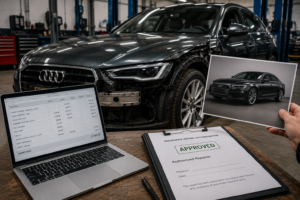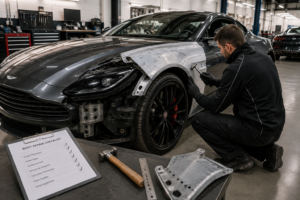

Introduction
After an accident, your insurer — or the at-fault driver’s insurer — may offer you a cash payment instead of arranging for your vehicle to be repaired. This is called a cash in lieu settlement, and while it can sound attractive, it comes with important considerations that every driver should understand before signing anything.
The key question is straightforward: does the cash offer genuinely cover the cost of getting your car properly repaired? In practice, the answer is often no — and this guide explains why, what to look out for, and how to decide whether a cash settlement is the right choice for you.
What Is a Cash in Lieu Settlement?
Cash in lieu simply means cash “in place of” — in this context, a cash payment offered instead of a repair being carried out. Rather than having your vehicle sent to a bodyshop and the repair funded directly, the insurer makes a bank transfer for an agreed amount, and you decide what to do with it.
Why insurers offer cash in lieu
Insurers offer cash in lieu for several reasons, and not all of them are in your favour:
- It closes the claim quickly and cleanly, removing the insurer’s ongoing involvement
- The cash amount offered is often based on a repair estimate using lower labour rates or non-OEM parts — it may not cover the actual cost of a quality repair
- It removes the insurer’s liability for the quality of the repair — once you’ve accepted the cash, any issues are yours to deal with
- For older or lower-value vehicles, it can be a practical and efficient resolution
The Risks of Accepting Cash in Lieu
The estimate may be based on insurer rates, not market rates
The cash offer is typically derived from an estimate produced by an insurer-appointed engineer. That estimate will often be based on labour rates from the insurer’s approved repairer network — which are lower than standard market rates — non-OEM parts, and a repair scope that may not account for all the damage.
If you take that cash to a quality specialist repairer, the actual cost is likely to be higher than the settlement you’ve received.
Hidden damage may not be included
An estimate produced before the vehicle is properly stripped and assessed may miss damage that only becomes apparent once work begins. Once you’ve accepted a cash settlement, you have no recourse with the insurer for that additional damage.
VAT
If you are VAT-registered and intend to reclaim the VAT element, check this explicitly. For most private individuals, the insurer’s settlement should include VAT on the repair cost. If it doesn’t, the shortfall can be significant.
The claim is closed
Accepting a cash in lieu settlement typically marks the end of the claim. If problems emerge later — additional damage discovered during repair, or a dispute over the repair quality — you have very limited recourse with the insurer.
When Cash in Lieu Can Be the Right Choice
Cash in lieu is not always a bad option. There are circumstances where it makes good practical sense:
- Minor cosmetic damage where the repair cost is modest and you’re comfortable managing the process yourself
- Older vehicles where a specialist repair isn’t economically justified and the cash settlement genuinely reflects the work needed
- Personal preference — some drivers simply prefer to handle their own repairs
- When you have a trusted repairer who can carry out the repair for the settlement amount without compromise on quality
The critical factor is whether the cash offered genuinely covers the cost of the repair you need.
How to Evaluate a Cash in Lieu Offer
Get an independent quote first
Before accepting any cash settlement, take your vehicle to a reputable specialist repairer and ask for an independent quote. This should include OEM parts where applicable, correct labour rates, ADAS calibration if sensors are affected, and any structural checks the damage warrants.
Ask for a breakdown
Ask the insurer to provide a full breakdown of how the cash figure was calculated — including the labour rate used, the parts cost, and whether VAT is included.
Negotiate before accepting
You do not have to accept the first figure offered. If your independent quote is higher, present it to the insurer and ask them to match it.
Your Insurer Can’t Tell You Where to Get Your Car Repaired — Here’s What the Law Actually Says
Cash in Lieu vs Managed Repair — Which Is Better?
Choose a managed repair if the damage is complex or structural, your vehicle is a prestige or high-value model, you want the repair covered under a guarantee, you’re unsure whether the cash offer covers the full repair cost, or ADAS calibration is required.
Cash in lieu may suit you if the damage is minor and the quote is genuinely adequate, you have a trusted local repairer who can do the work for the settlement amount, or the repair is cosmetic and you’re comfortable overseeing it yourself.
How Long Does Accident Repair Actually Take — and What Affects the Timeline?
What to Do if the Cash Offer Isn’t Enough
If you’ve received a cash in lieu offer that doesn’t adequately cover a quality repair, don’t simply accept it and absorb the shortfall. Your options are:
- Negotiate directly — present your independent quote and ask the insurer to revise their offer
- Escalate to the insurer’s complaints team — if customer services won’t budge, use the formal complaints process
- Refer to the Financial Ombudsman Service — if the insurer won’t offer a fair amount, the FOS can review the case at no cost to you
- Opt for a managed repair instead — in many cases, you can step back from the cash settlement discussion and request that the insurer arrange the repair directly
Conclusion
A cash in lieu settlement can be a fair and practical resolution — but only if the figure genuinely covers the cost of the repair your vehicle needs. Before you accept, get an independent quote from a specialist repairer, understand exactly what the insurer’s figure is based on, and don’t be afraid to negotiate.
At Crash Specialist Garage in Macclesfield, we’re happy to provide an independent assessment and quote on any vehicle. We’ll give you an honest picture of what the repair actually costs, so you can make an informed decision.
Related posts:
- How to Dispute a Total Loss Valuation and Fight for a Fair Settlement
- Non-Fault Accident? Don’t Let the At-Fault Insurer Control Your Repair
- Top 5 Common Car Repair Mistakes to Avoid After an Accident
Frequently Asked Questions
In most cases, no. Once you’ve signed a full and final settlement, the claim is closed. This is why it’s so important to be certain the figure is adequate before accepting.
This depends on whether you’re claiming through your own policy or the at-fault insurer’s. In a correctly handled non-fault claim, accepting cash in lieu from the at-fault insurer should not affect your no-claims bonus.
Yes, in most cases. Unless you have already signed a cash settlement, you can typically request a managed repair instead.
It should be, but always check. Ask the insurer to confirm in writing that the settlement figure includes VAT on all parts and labour.
If you’ve accepted a cash settlement, additional damage discovered during repair is generally your financial responsibility. This is one of the strongest arguments for getting a thorough, professional assessment before accepting cash in lieu.
External sources: