Introduction
Having an accident is stressful. And unfortunately, the decisions made in the days immediately afterwards — often while you’re still shaken — can have a lasting impact on the quality of your repair, your financial position, and even the safety of your vehicle.
The good news is that most of these mistakes are entirely avoidable. With a little knowledge of how the process works and what to watch out for, you can navigate the post-accident minefield confidently and come out the other side with your car properly repaired and your pocket intact.
Here are the five most common mistakes drivers make after an accident — and exactly how to avoid them.
Mistake 1: Letting Your Insurer Choose Your Repairer Without Question
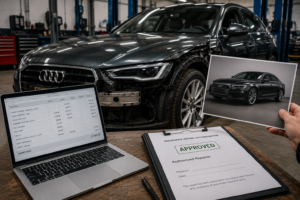
This is the single most common mistake, and it’s completely understandable. When your insurer calls and says “we’ll sort everything, just take your car to one of our approved repairers,” it sounds helpful. You’re already dealing with a stressful situation, and someone is offering to take the pressure off.
But here’s what that phone call often doesn’t tell you: you have the legal right to choose your own repairer. Your insurer cannot force you to use their network.
Why this matters
Approved repairer networks operate on volume deals negotiated with insurers. Repairers agree to reduced labour rates and often commit to using non-OEM (non-original manufacturer) parts in exchange for a guaranteed flow of work. For a standard vehicle with minor damage, this may be acceptable. For a prestige, specialist, or high-value vehicle, the difference in quality can be significant.
What to do instead
Identify a specialist repairer you trust — ideally one with experience in your specific make and model — and tell your insurer upfront that you’ll be using them. Do it early, do it clearly, and follow up in writing.
Your Insurer Can’t Tell You Where to Get Your Car Repaired — Here’s What the Law Actually Says
Mistake 2: Accepting a Settlement or Signing Anything Too Quickly
The at-fault insurer — or sometimes even your own — may contact you quickly after an accident with an offer to settle. It might be a cash payment, an agreed repair cost, or a combination. It often comes with a degree of urgency: “we just need your agreement to get the process moving.”
Resist the urge to sign anything until you fully understand what you’re agreeing to.
Why this matters
Damage assessments carried out too early may miss hidden structural or mechanical issues. A settlement accepted before the full extent of the damage is known can leave you under-compensated — and once you’ve signed a full and final settlement, it’s very difficult to go back.
What to do instead
Wait until a thorough damage assessment has been completed by a repairer you trust. Make sure the repair estimate covers everything — including ADAS calibration, structural repairs, and any paint matching required. If you’re uncertain about a figure you’ve been given, get a second opinion before you agree to anything.
Non-Fault Accident? Don’t Let the At-Fault Insurer Control Your Repair
Mistake 3: Overlooking ADAS Calibration
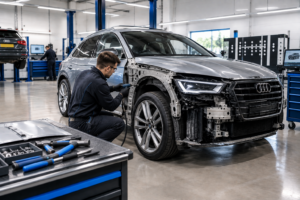
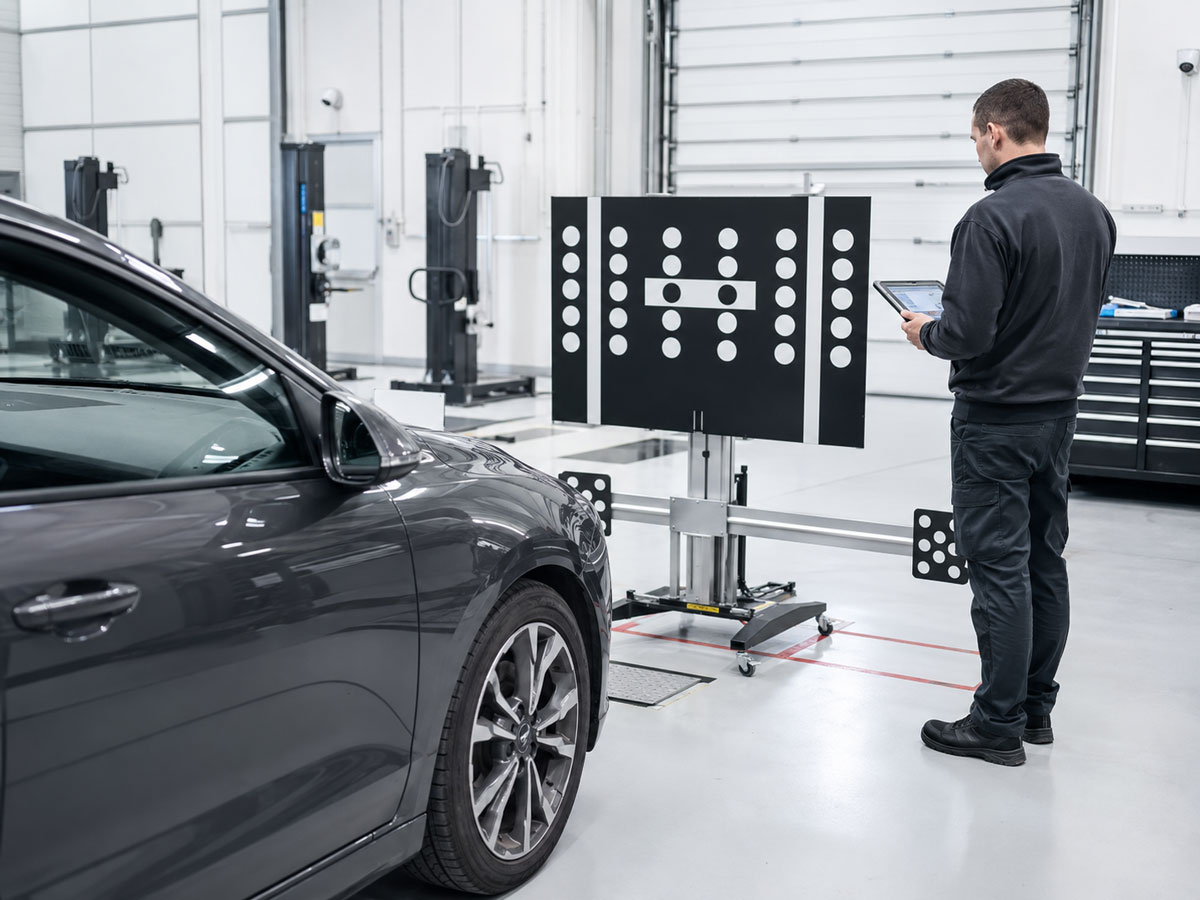
Modern vehicles are packed with safety technology: automatic emergency braking, lane-keeping assist, blind-spot monitoring, adaptive cruise control, parking sensors, and more. These systems rely on cameras and sensors typically mounted in the bumpers, windscreen, mirrors, and grille — all areas commonly affected in a collision.
After an accident, even a relatively minor one, these systems may be misaligned or compromised. If they’re not recalibrated correctly, your car may feel fine to drive — but its safety systems may not function as intended.
Why this matters
ADAS calibration requires specialist equipment and, in many cases, manufacturer-specific software. Not all repairers have the tools or the expertise to carry this out correctly. A high-volume network repairer under pressure to turn cars around quickly may skip this step or carry it out inadequately.
A car that hasn’t had its safety systems properly recalibrated after a collision is a car that may not protect you in a future accident.
What to do instead
Before your car goes in for repair, ask the bodyshop directly: do they carry out ADAS calibration, and do they have the equipment for your specific make and model? Make sure it’s included in the repair scope, and ask for written confirmation that calibration has been completed before you collect your vehicle.
Mistake 4: Assuming Non-OEM Parts Are Equivalent to Genuine Parts
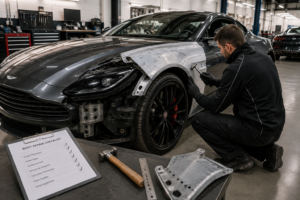
When an insurer-approved repairer fits parts to your vehicle, they may not always be genuine manufacturer parts. Pattern parts — also known as non-OEM or aftermarket parts — are third-party copies manufactured to approximate, but not identical, specifications.
Many drivers don’t know this is happening until they notice a problem: a panel that doesn’t sit quite right, a paint finish that doesn’t quite match, or a warning light that reappears weeks after the repair.
Why this matters
Non-OEM parts can affect:
- Vehicle safety — particularly for structural or crumple-zone components
- Resale value — a car with non-genuine parts may be worth less at sale or trade-in
- Manufacturer warranty — some warranties are voided or affected by non-OEM repairs
- Insurance coverage — some policies specify genuine parts; using non-OEM parts without disclosure can create complications
What to do instead
Ask your repairer to confirm in writing that OEM parts will be used throughout the repair. If an insurer is insisting on non-OEM parts, push back — you are entitled to a repair that restores your vehicle to its pre-accident condition, which on most modern vehicles means genuine manufacturer parts.
Mistake 5: Accepting a Downgraded Courtesy Car Without Knowing Your Options
Most drivers know they’re entitled to a courtesy car while their vehicle is being repaired. What fewer people know is that, as a non-fault driver, they’re entitled to a like-for-like replacement — not just whatever is available in the insurer’s pool.
Accepting a small hatchback when you drive a large SUV or a prestige saloon is not a legal requirement. It’s often the path of least resistance — and insurers count on drivers not knowing the difference.
Why this matters
If your car is off the road for two or three weeks, having an inadequate replacement vehicle creates real disruption. Beyond convenience, accepting a downgraded vehicle without understanding your rights means you may be absorbing a loss that you’re legally entitled to have covered.
What to do instead
If the accident was not your fault, you’re entitled to a like-for-like replacement vehicle through a credit hire arrangement — at no cost to you. Make sure your repairer or claims handler understands what you drive and arranges a suitable vehicle accordingly.
The Truth About Courtesy Cars After a Non-Fault Accident — What You’re Actually Entitled To
Conclusion
The post-accident process has a lot of moving parts, and insurers — particularly the at-fault insurer — have a financial interest in keeping costs down. The best protection is knowing your rights, choosing the right repairer, and not being rushed into decisions before you’re ready.
At Crash Specialist Garage in Macclesfield, we guide our customers through every step of the repair and claims process. We handle insurer liaison, ensure ADAS calibration is carried out correctly, use genuine OEM parts on every repair, and make sure the vehicles we hand back are safe, properly repaired, and returned to the standard they deserve.
If you’ve been in an accident and want advice before you commit to anything, give us a call. We’re always happy to help.
Related posts:
• Your Insurer Can’t Tell You Where to Get Your Car Repaired — Here’s What the Law Actually Says
• What to Do in the First 24 Hours After an Accident (Before You Call Your Insurer)
• How Long Does Accident Repair Actually Take — and What Affects the Timeline?
Frequently Asked Questions
Ask them directly, and get the answer in writing before work begins. A reputable repairer will have no issue confirming this. You can also request to see the parts invoices after the repair is complete to verify what was fitted.
This is a dispute you can escalate. If the use of non-OEM parts means your vehicle is not being restored to its pre-accident condition, you have grounds to challenge the insurer’s decision. The Financial Ombudsman Service can adjudicate if you cannot reach agreement.
Not every collision will affect ADAS systems, but any impact to the front, rear, or sides of a vehicle that houses sensors or cameras should be assessed. Your repairer should carry out a diagnostic check as part of the repair process to identify any calibration requirements.
Yes, provided work hasn’t begun in full. If you’re unhappy with the repairer chosen by your insurer, you have the right to move your vehicle to a repairer of your choice. Speak to your insurer first, and put your decision in writing.
Contact your repairer immediately. A reputable bodyshop will stand behind its work and address any issues. If you’re not getting a satisfactory response, you can escalate to your insurer or the Motor Ombudsman, which handles disputes between consumers and automotive businesses.
External sources:
• Financial Ombudsman Service — Motor insurance